Structural integrity in timber roof trusses is explained by Apex Timber & Truss, highlighting key engineering features for durable Australian home builds.
The structural strength of a home begins with a well-designed roof system that supports both protection and overall structural stability. In residential construction, the roof framework must safely transfer loads from roofing materials, weather conditions, and external forces to the supporting walls. Timber roof trusses play a key role in this process by providing reliable structural support and efficient load distribution for modern Australian homes.
How Timber Roof Trusses Provide Structural Strength
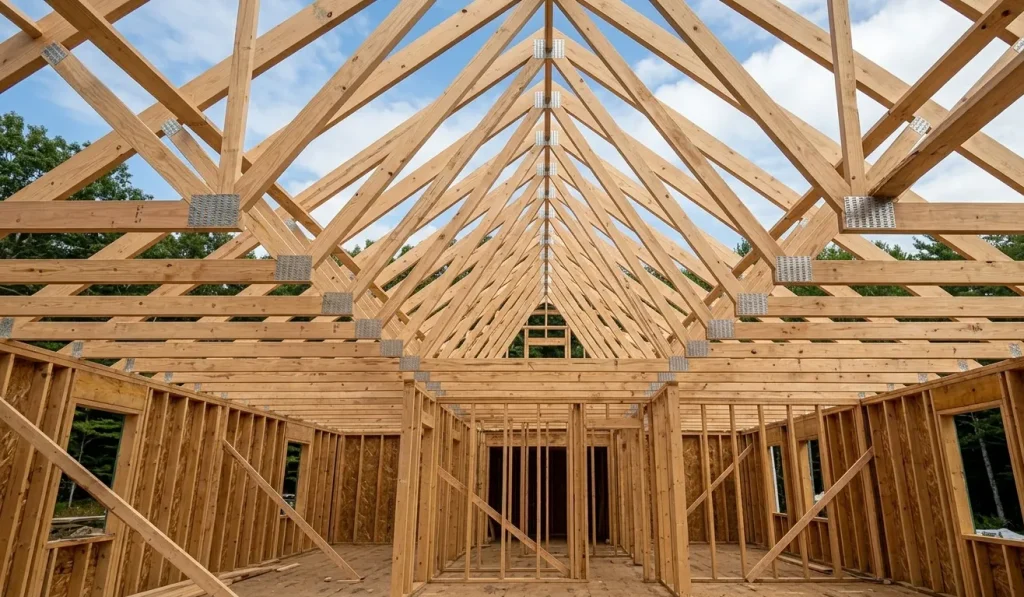
Roof trusses gain their strength from a triangular configuration that distributes loads evenly across the structure. This design reduces stress on individual timber members by allowing components to work together in compression and tension, creating a stable and efficient framework. As a result, trusses can span larger distances without the need for internal load-bearing walls, giving builders greater flexibility when designing floor plans and ceiling spaces.
Another advantage is the precision achieved through prefabrication. Trusses are typically manufactured in controlled factory environments where timber components are cut and assembled accurately. This process ensures consistent quality and helps each truss meet design specifications, allowing it to perform reliably once installed on site.
Engineered Connections and Load Distribution
The structural performance of a truss system depends greatly on the strength of its connections. Individual timber members are joined using metal nail plates, often called gang plates, which are pressed into the timber to form strong and reliable joints. These connections allow forces to move efficiently throughout the structure.
Engineered joints help distribute loads evenly across the entire truss framework. By spreading the weight of roofing materials, ceiling finishes, and other structural loads across multiple members, timber roof trusses maintain balance and stability while reducing the risk of structural stress or failure.
Bracing and Tie-Down Systems for Stability
While the truss framework provides strong structural support, additional stability comes from bracing and tie-down systems. Bracing prevents lateral movement and keeps trusses properly aligned once installed on the building frame. Tie-down systems secure the roof to the wall frame and foundations, helping resist wind uplift and ensuring the trusses remain firmly connected to the overall structure.
Compliance with Australian Building Standards
Roof truss systems in Australia must comply with building standards that guide their design, manufacturing, and installation. These regulations help ensure roof structures remain safe, durable, and capable of performing consistently in residential construction.
Standards such as AS 1684, AS 1720, and AS 4440 provide clear guidelines for structural design, connections, and installation practices. By following these requirements, manufacturers can produce timber roof trusses that meet strict safety standards and suit Australian building conditions.
Dependable Timber Roof Truss Solutions by Apex Timber & Truss
High-quality timber roof trusses play a vital role in maintaining the structural integrity of residential buildings. Designed for efficient load distribution with strong engineered connections and proper bracing, they help create safe and durable roof structures for Australian homes. At Apex Timber & Truss, we manufacture precision-engineered truss systems that meet Australian standards while supporting builders with reliable products and practical expertise.
Ensure structural excellence for your build. Contact us about custom timber truss solutions tailored to your project.
Related Blog Articles:
Timber Roof Truss Manufacturer in VIC: Durable Framing Solutions for Every Project
Custom Timber Trusses in 2026: The Secret Ingredient Behind Victoria’s Most Stunning New Homes!